Robinhood2026-09-20 22:29:11Two Robinhood engineers charged over alleged insider crypto derivatives tradesThe U.S. Department of Justice has charged two Robinhood engineers, Hefu Chai and Huaisong Xiang, with allegedly using non-public company information to trade crypto perpetual futures on Hyperliquid. According to the indictment, the two men traded between 2025 and 2026 based on information about tokens that were set to be listed on Robinhood Crypto. Prosecutors said each made more than $50,000 in illegal profits. The defendants were charged with commodities fraud and wire fraud, offenses that carry maximum prison terms of 10 years and 20 years, respectively. U.S. Attorney Jamie McDonald said it is illegal to use insider information to trade in derivatives markets for personal gain.330
Robinhood2026-09-15 17:49:23Two Robinhood engineers charged over alleged trades tied to upcoming crypto listingsFederal prosecutors said Tuesday that two Robinhood engineers used confidential information about upcoming cryptocurrency listings to place profitable trades on Hyperliquid, a decentralized platform known for perpetual futures trading. The defendants, Hefu Chai, 36, and Huaisong "Jerry" Xiang, 30, were each charged with one count of commodities fraud and one count of wire fraud. According to the U.S. Department of Justice, the pair allegedly bought related perpetual futures before Robinhood Crypto announced new token listings, using nonpublic information for personal gain between 2025 and 2026. The DOJ said each defendant made more than $50,000 from the alleged scheme. Prosecutors said the case shows that insiders cannot avoid securities and commodities laws by trading misappropriated information through derivatives such as perpetual futures or tokenized securities. The case centers on derivatives rather than spot tokens, with prosecutors using the Commodity Exchange Act instead of securities fraud charges. Hyperliquid, identified as one of the largest decentralized venues for perpetuals trading, was named as the platform involved. Prosecutors also said Robinhood cooperated with the investigation. If convicted, the commodities fraud charge carries a maximum sentence of 10 years in prison, while the wire fraud charge carries a maximum of 20 years.740
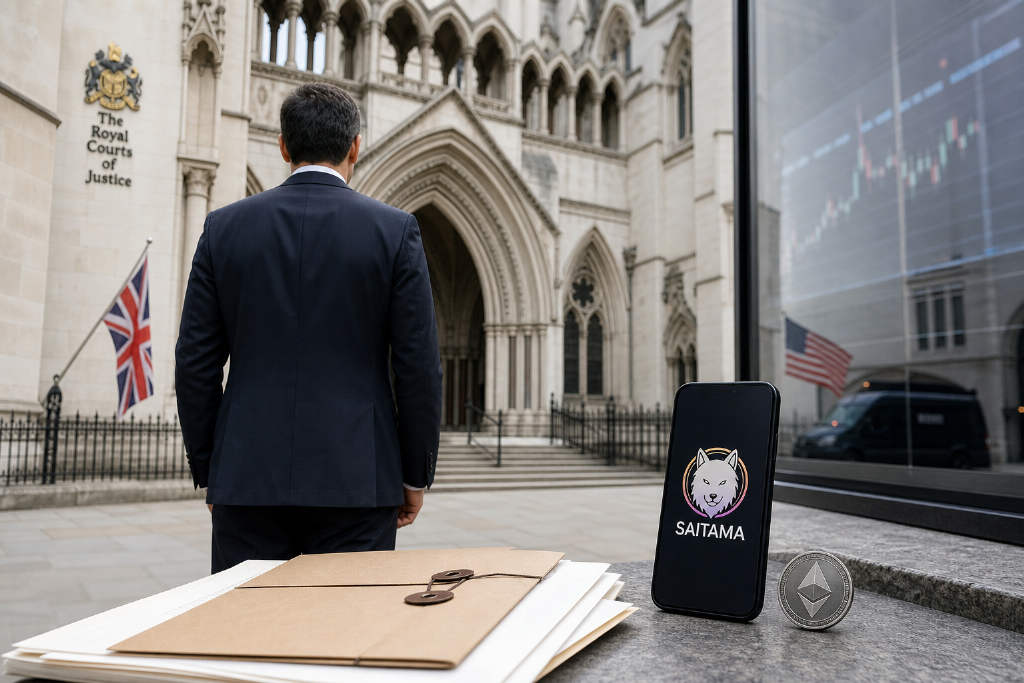
UK court2026-08-26 17:45:25UK court rejects Saitama CEO extradition appeal, clears transfer to USA UK High Court judge has rejected an extradition appeal filed by the chief executive of crypto project Saitama, clearing the way for the executive to be transferred to the United States for trial. Judge Samuel Goozee issued the ruling on Aug. 19, according to the report cited by Techub. US prosecutors accuse the executive of wire fraud and market manipulation in a case involving about $20 million. The defendant is currently out on £200,000 bail and can still pursue further appeals. Saitama had promoted its token on the Ethereum blockchain and at one point reached a market capitalization of $7.5 billion. Prosecutors said the CEO and more than ten associates falsely claimed they held and were buying the token while privately selling it for profit. The case is also described as the FBI’s first investigation carried out through the creation of a digital token. Earlier this month, a federal court in Boston rejected the executive’s motion to dismiss claims arguing that the token was not a security. The original report cited by Techub was from Channel NewsAsia.920
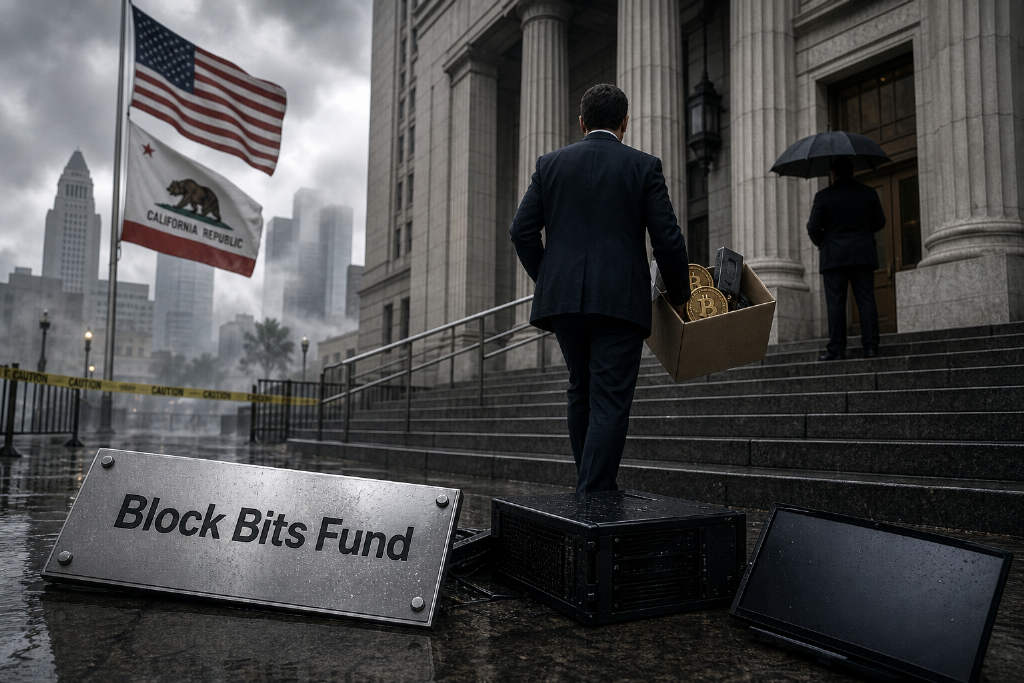
Block Bits Fu2026-08-25 00:51:46Federal Jury in California Convicts Block Bits Fund Co-Founder of Wire FraudA federal jury in California has found a co-founder of Block Bits Fund guilty of wire fraud, according to Techub News, citing Crypto Briefing. Prosecutors said the fund raised roughly $960,000 from more than 20 investors between 2017 and 2018 by claiming it had an automated arbitrage trading bot that, in fact, never operated. The fund itself was active during that same period. Authorities said Dillman and his co-founder diverted investor money into the AML Bitcoin ICO, a move that left investors with about $508,000 in losses. The wire fraud conviction carries a maximum sentence of 20 years in prison. In the same case, co-defendant David Mata pleaded guilty in June 2022 and later testified. He has since been barred from working in the financial industry. The case centers on misrepresentations tied to crypto investment operations and the handling of investor funds.1200
crypto fraud2026-08-19 11:34:15Alleged $165M crypto Ponzi operator deported from Fiji to the U.S.A Georgia man accused of running a $165 million cryptocurrency Ponzi scheme has been returned to the United States after spending more than a year abroad, according to the U.S. Department of Justice. Edward Zimbardi, 59, of Flowery Branch, Georgia, appeared in federal court after Fijian authorities deported him to the U.S. on Aug. 14 in coordination with the FBI and the State Department. Prosecutors say Zimbardi promoted an operation called The Crypto Program between June 2022 and August 2023, offering advertising packages that supposedly carried a guaranteed 25% monthly return. Investors were instructed to send crypto to wallets he secretly controlled, and the government says thousands of people transferred more than $165 million. Instead of buying advertising, prosecutors allege he used over $34 million on risky foreign-exchange trading, paid earlier participants with funds from newer ones, and spent at least $10 million on himself, including a house for his son, luxury vehicles and alimony. He faces 12 wire fraud counts, 12 money laundering counts, and one count of conspiracy to commit money laundering.490
Policy Regula2026-08-16 03:16:12Bloomberg report says Phia used cookie stuffing to claim affiliate commissions, raising wire fraud risk for Phoebe GatesBloomberg reported that internal Slack messages show Phoebe Gates, daughter of Bill Gates, and Phia co-founder Sophia Kianni knew as early as December last year that their shopping comparison startup had been using cookie stuffing to claim affiliate marketing commissions. The practice involves placing tracking cookies in a user’s browser without a legitimate referral click, allowing a company to take credit for sales it did not drive. Corporate lawyer Ariel Givner wrote on X that this conduct is typically treated as federal wire fraud in U.S. courts and could carry a maximum penalty of up to 20 years, along with fines and restitution. Bloomberg had previously reported on July 9 that Phia’s browser extension opened background tabs during checkout, inserted its own cookies, and in some cases overwrote valid referral records. After the feature was shut down, charts reviewed by Bloomberg showed Phia’s average daily revenue fell from about $80,000 to between $10,000 and $28,000. The report also said cookie stuffing accounted for 51% of all sales attributed to Phia in June. No prosecutors have formally charged Gates or Kianni at this stage.1300
SBF2026-08-06 17:25:43US Appeals Court Affirms SBF Conviction, 25-Year Sentence and $11B ForfeitureThe U.S. Court of Appeals for the Second Circuit has formally affirmed the conviction and sentencing of Sam "SBF" Bankman-Fried, the former CEO of FTX. The lower court had convicted him on seven felony counts and sentenced him to 25 years in federal prison. A three-judge panel rejected Bankman-Fried's appeal arguments that FTX had sufficient liquidity and that investors would be fully repaid with no losses. The panel also upheld the $11 billion forfeiture order issued by the New York court in the criminal case. In the opinion, Circuit Judge Barrington D. Parker wrote that even if Bankman-Fried believed he would eventually repay customers, that does not affect the application of wire fraud law to the temporary misappropriation of funds or property. With the order now in effect, Bankman-Fried's legal avenues for early release have narrowed, leaving options such as a presidential pardon or an appeal to the U.S. Supreme Court.1910
NFT2026-08-05 18:43:47Few and Far founder charged after prosecutors say $10 million in investor funds went to gambling, crypto trades, and DJ expensesFederal prosecutors in the Southern District of New York have charged Taj Tarsha, the 34-year-old founder of NFT marketplace Few and Far, with securities fraud and wire fraud. Prosecutors allege Tarsha raised more than $10 million from at least 67 investors in 2022 by selling rights to 95 million FAR tokens through Simple Agreements for Future Tokens, or SAFTs. Instead of using the money to build a decentralized NFT marketplace, authorities say he diverted much of it to online gambling, speculative cryptocurrency purchases, nearly $1 million in bonuses, an inflated salary, a Miami condominium loan, interior design services, and what prosecutors called his DJ hobby. The indictment also says Tarsha hid the company’s financial problems after a 2023 audit flagged alleged misconduct and kept up the appearance of ongoing development after nearly all staff had been laid off. Prosecutors said that when FAR finally launched in May 2024, the token was effectively worthless and soon stopped trading. The case adds to a growing list of U.S. federal actions tied to NFT-related fraud.1950